

A retail space is more than a place where products are displayed. It is an environment where customers discover a brand, interact with products, and form lasting impressions.
Two stores can offer similar products, similar layouts, and similar locations — yet one feels memorable while the other feels ordinary. The difference often comes down to how the space has been designed.
Retail interior design shapes how customers move, what they notice, and how they connect with a brand from the moment they enter.
The First Impression Starts at the Entrance
The customer experience begins before the first product is viewed.
The entrance creates the initial perception of a store. The layout, lighting, materials, and overall atmosphere immediately communicate what the brand represents.
A well-designed retail entrance invites customers in, creates curiosity, and establishes the right expectations for the experience ahead.
Designing the Customer Journey
Great retail spaces are designed around movement.
Customers should be able to navigate naturally through the store, discovering products without feeling guided or restricted. Strategic zoning, clear pathways, and thoughtful product placement help create a journey that feels intuitive.
The goal is not simply to fill a space with displays. It is to create an environment where every area has a purpose.
The Role of Materials and Finishes
Materials influence how customers perceive a retail environment.
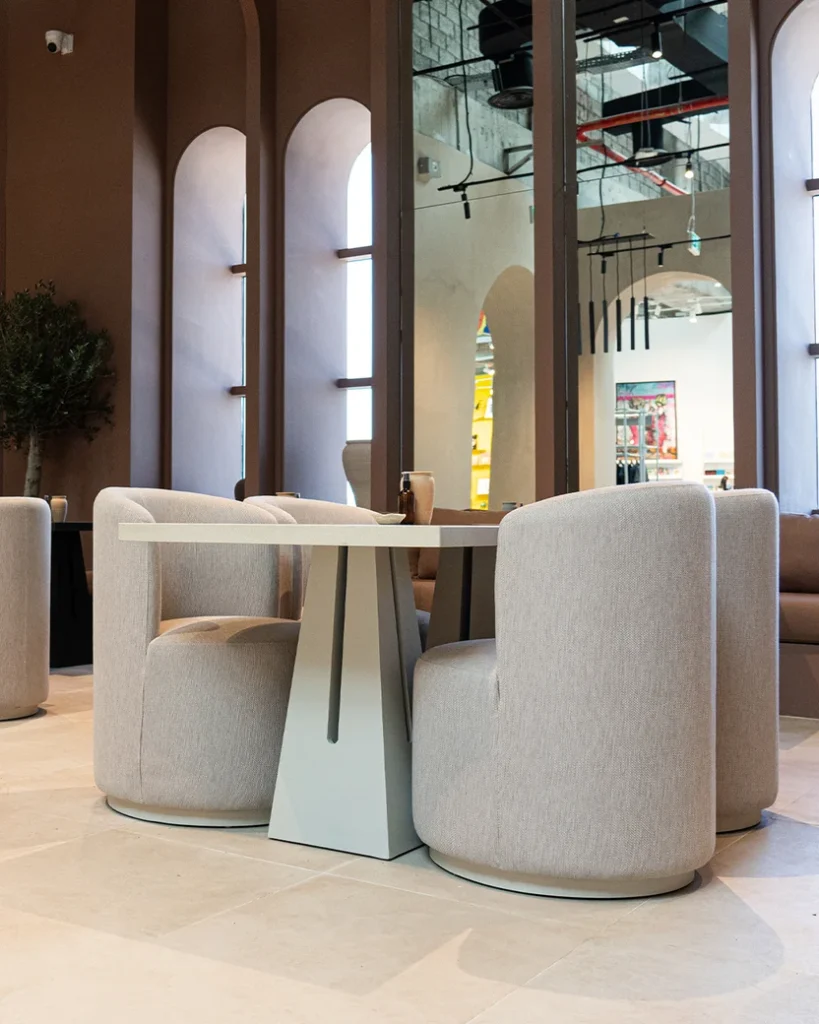
Natural textures can create warmth and authenticity, while refined finishes can communicate luxury and exclusivity. The combination of surfaces, colours, and details helps build an atmosphere that reflects the brand identity.
Every material choice contributes to the story a space tells.
Lighting That Creates Focus
Lighting does more than illuminate products.
It directs attention, creates atmosphere, and influences how customers experience the space. Accent lighting can highlight key displays, while balanced ambient lighting can make the environment feel comfortable and inviting.
The right lighting strategy allows products and spaces to work together.
Creating Emotional Connections Through Design
Customers remember how a space makes them feel.
Retail environments that reflect a brand’s personality create stronger connections with visitors. Whether the goal is luxury, innovation, comfort, or simplicity, design helps translate brand values into a physical experience.
A successful retail space becomes more than a store — it becomes part of the customer relationship.
Balancing Function and Experience
A retail interior must perform as well as it looks.
Behind every successful store is careful planning that considers customer flow, staff movement, storage requirements, durability, and long-term maintenance. The strongest designs balance creativity with practical needs.
When every element works together, the space feels effortless.
Where Design Meets Delivery
Creating a successful retail environment requires consistency from concept to completion. Design decisions, material selections, joinery details, and construction quality must all work together to deliver the intended experience.
With interior design, fit-out, joinery, and construction delivered under one roof, Monolith maintains this continuity throughout every stage of the project, ensuring each retail space is built with precision and purpose.
Creating a Retail Space That Connects?
Whether launching a new store or transforming an existing space, thoughtful retail design can help create environments that attract customers and strengthen brand identity.