

Creating a retail space that stands out while functioning effectively is one of the most challenging aspects of interior design. Retail interiors must attract attention, communicate brand identity, and create an enjoyable shopping experience, while remaining practical for daily operations.
Balancing visual impact and practicality ensures that a store does more than look impressive. It performs. Every decision, from layout and lighting to finishes and fixtures, influences both customer experience and operational efficiency.
Why Visual Impact Matters in Retail Spaces
First impressions matter in retail. A striking interior can draw customers in, set the tone for the brand, and influence how visitors perceive products.
Visual impact in retail interiors often includes bold color schemes or material choices that reflect the brand, strategic lighting to highlight products, distinctive display arrangements that guide customer flow, and signature design elements that make the space memorable.
However, creating an impressive aesthetic without considering usability can lead to challenges for staff and customers alike.
The Practical Side of Retail Design
Practicality in retail interiors ensures the store functions efficiently every day. A visually impressive design loses value if it creates operational challenges or ongoing maintenance issues.
Key practical considerations include traffic flow, where clear pathways for shoppers and staff reduce congestion. Durable materials are essential, as finishes must withstand high footfall and frequent cleaning. Lighting efficiency also plays a role by balancing visual impact with energy consumption. Storage and accessibility are equally important to keep products organized without disrupting the design.
A well planned retail interior balances creativity with these functional requirements so both staff and customers benefit.
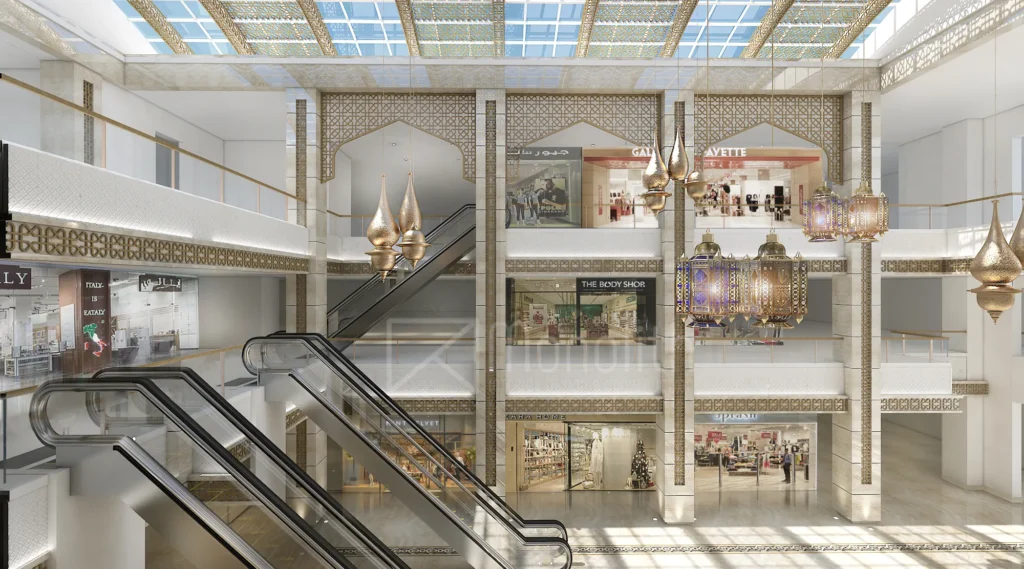
Integrating Visual Impact and Practicality
Achieving the right balance requires careful planning from concept through execution. Retail designers must think like both marketers and operations managers.
Effective strategies include selecting materials that are both visually striking and durable, designing layouts that guide customers naturally while allowing staff easy access, using lighting and displays to highlight key products without glare or shadows, and incorporating modular elements that can adapt to seasonal changes or promotions.
Every design decision should serve two purposes: aesthetic appeal and functional performance.
Why Material Selection Is Critical
Materials in retail interiors directly influence both visual impact and practicality. A luxurious finish can attract attention, but if it scratches, stains, or wears quickly, it creates more problems than benefits.
Good material selection considers durability, ease of maintenance, visual consistency across the store, and safety. Non slip surfaces and appropriate finishes protect both customers and staff.
When materials are carefully chosen, retail spaces remain attractive and functional over time.
Layout and Flow Considerations
Even the most visually striking interiors fail if customers cannot move comfortably through the space. Layout plays a crucial role in balancing aesthetics with practicality.
Effective retail layouts provide clear entry points and circulation paths, logical product placement that encourages browsing, comfortable spacing around key displays, and efficient checkout and service areas.
Retail design is not only about how the space looks, but also about how people interact with it.
The Role of Flexibility
Retail interiors must adapt to evolving trends, promotions, and changing product ranges. Flexible design solutions allow stores to maintain visual impact without sacrificing practicality.
This can be achieved through modular shelving and display units, movable partitions or feature walls, and multi purpose spaces that can change with merchandising needs.
Flexibility ensures a retail interior remains relevant and functional over time.
Final Thoughts
Balancing visual impact and practicality in retail interiors is essential for successful stores. Design should capture attention and communicate brand identity while remaining functional, durable, and user friendly.
Retail interiors that achieve this balance create memorable experiences for customers and practical solutions for staff, supporting long term performance and longevity.
If you are designing a retail space and want a balance of style and functionality, working with a team that prioritizes both aesthetics and practicality makes a measurable difference.
Contact Monolith to create retail interiors that are as functional as they are visually appealing.