

Introduction: Bringing Nature Indoors for a Better
Workplace
In today’s fast-paced corporate world, the focus on employee wellbeing and productivity has never been more critical. Forward-thinking organizations are exploring innovative strategies to create environments that nurture their workforce. One such powerful approach gaining significant traction is biophilic design in modern offices. This concept integrates natural elements and processes into built environments, aiming to reconnect occupants with nature and, in turn, enhance their physical and mental health. This article
will delve into the principles, practical applications, and tangible benefits of incorporating nature into your workspace.
The Science Behind Biophilic Design: Why Nature Matters
Biophilia, meaning “love of life,” suggests that humans have an innate tendency to connect with nature. This inherent connection is deeply rooted in our evolutionary history, where survival depended on our ability to understand and interact with the natural world. Research consistently shows that exposure to natural elements can reduce stress, improve cognitive function, and boost mood. These positive effects are not merely anecdotal; scientific studies have demonstrated measurable improvements in physiological and psychological well-being.
When applied to office design, these benefits translate directly into a more engaged, healthier, and more productive workforce. Understanding the psychological and physiological impacts of incorporating natural patterns and elements is key to appreciating the profound power of biophilic design. It moves beyond mere aesthetics, tapping into our fundamental need for connection with the living world to create spaces that truly support human flourishing.
Key Principles of Biophilic Design in Modern Offices
Implementing biophilic design isn’t just about adding a few potted plants. It involves a thoughtful and strategic integration of various elements, guided by established principles. These principles ensure that the design goes beyond superficial greening to create a truly restorative environment. Here are some core principles that underpin effective biophilic design:
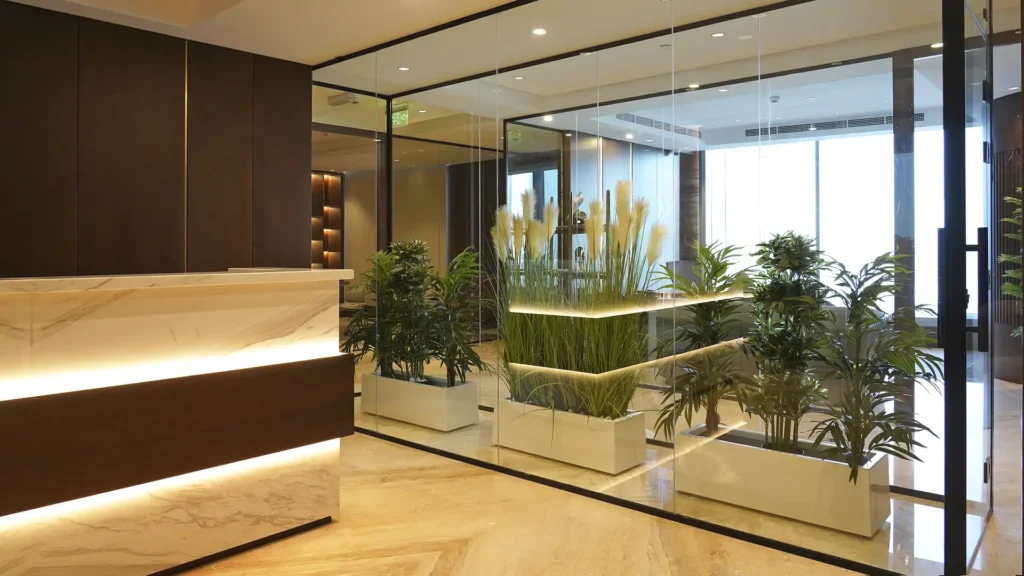
- Direct Connection to Nature: This involves incorporating actual natural elements into the space. Examples include maximizing natural light through large windows, ensuring good natural ventilation, introducing soothing water features, and integrating living plants and green walls. The goal is to provide direct sensory experiences of nature.
- Indirect Connection to Nature: When direct access to nature is limited, designers can use indirect elements to evoke natural feelings. This includes using natural materials like wood, stone, and cork, selecting colors and textures found in nature, and incorporating patterns that mimic natural forms or processes. Even artwork depicting natural scenes can contribute.
- Spatial Organization: This principle focuses on how the space is structured to enhance the connection with nature. It involves designing spaces that offer clear views of nature, creating areas for refuge and contemplation, and incorporating elements that evoke a sense of mystery or controlled risk, such as winding pathways or partially obscured views.
These principles guide the creation of spaces that feel more natural and less artificial, directly impacting the user experience. By consciously applying these elements, designers can craft environments that reduce fatigue, enhance creativity, and promote a sense of calm. For more insights into creating harmonious and productive workspaces, explore Monolith Services and discover how we integrate these principles into our designs.
Practical Applications: Transforming Your Office with
Biophilic Elements
So, how can HR managers, business owners, and office managers practically apply biophilic design in modern offices? The good news is that implementation can range from subtle enhancements to comprehensive overhauls, making it accessible for various budgets and office sizes. Here are actionable strategies to begin transforming your workspace:
- Maximize Natural Light: This is perhaps the most impactful and cost-effective strategy. Position desks near windows to give employees access to daylight and views. Use sheer blinds to control glare without blocking light, and consider light shelves or reflective surfaces to bounce natural light deeper into the office interior.
- Integrate Greenery: Beyond a few potted plants, consider living walls, which are vertical gardens that can significantly improve air quality and aesthetics. Strategically place large plants in common areas, and encourage individual desk plants. Opt for low maintenance, air-purifying species to ensure sustainability.
- Use Natural Materials: When selecting furniture, flooring, and finishes, prioritize materials like wood, bamboo, cork, or stone. These materials bring warmth, texture, and an organic feel to the environment. Incorporate natural fabrics for upholstery and soft furnishings to enhance comfort and sensory richness.
- Introduce Water Features: Even small indoor fountains can have a profound impact. The gentle sound of flowing water is known to reduce stress and create a calming atmosphere. Water features also contribute to improved indoor air quality by increasing humidity.
- Create Views of Nature: If your office has access to outdoor green spaces, orient workspaces to maximize these views. If not, consider incorporating nature-inspired art, high-resolution digital displays of natural landscapes, or even strategically placed mirrors to reflect outdoor views.
- Design for Movement and Exploration: Create varied pathways and distinct zones within the office that encourage movement and offer different sensory experiences. This could include quiet zones for focused work, collaborative areas, and break spaces that feel distinct and inviting.
By implementing these practical steps, you can begin to cultivate an office environment
that actively supports the wellbeing of your employees. Even small changes can yield
significant positive results, demonstrating a commitment to a healthier and more humane
workplace.
The Tangible Benefits: A Return on Investment
The investment in biophilic design extends far beyond mere aesthetics; it offers a compelling return on investment for businesses. Companies that have embraced these strategies report significant and measurable benefits across various key performance indicators. These advantages highlight why integrating nature into the workplace is not just a trend, but a strategic imperative for modern businesses focused on long-term success and employee welfare.
- Increased Productivity: Employees working in biophilic environments often exhibit higher levels of concentration, improved cognitive function, and enhanced task performance. A landmark study by the Harvard T.H. Chan School of Public Health found that workers in green-certified buildings reported significantly higher cognitive function scores.
- Reduced Absenteeism: A healthier and less stressful environment naturally leads to fewer sick days. By improving air quality, reducing stress, and boosting mood, biophilic design contributes to a more robust and present workforce, directly impacting operational efficiency.
- Enhanced Employee Retention: In today’s competitive talent market, a pleasant and supportive workspace is a significant differentiator. Employees are more likely to stay with companies that invest in their well-being, leading to higher job satisfaction, stronger loyalty, and reduced recruitment costs.
- Improved Air Quality: Beyond the aesthetic appeal, plants naturally filter indoor air, removing toxins and increasing oxygen levels. This leads to a healthier breathing environment, reducing instances of sick building syndrome and other respiratory issues.
These benefits collectively underscore why biophilic design is not just a passing trend but a strategic imperative for modern businesses. It’s an investment that pays dividends in human capital, fostering a more resilient, creative, and satisfied workforce.
Conclusion: Cultivating a Thriving Workplace
Embracing biophilic design in modern offices is a powerful and proactive step towards creating a workplace that supports the holistic wellbeing of its occupants. By thoughtfully integrating nature’s profound benefits into the built environment, businesses can cultivate spaces where employees not only work but truly thrive. This approach leads to greater innovation, enhanced collaboration, and ultimately, sustained organizational success. It’s more than just a design choice; it’s a fundamental investment in your people and, by extension, in your future.
Ready to transform your office into a vibrant, wellbeing-focused environment? Discover how Monolith’s expert interior design services can help you harness the power of biophilic design. Contact Us today to learn more and begin your journey towards a healthier, more productive workplace.
External References: